
Understanding Funerals: A Reflection of Life, Loss, and Legacy

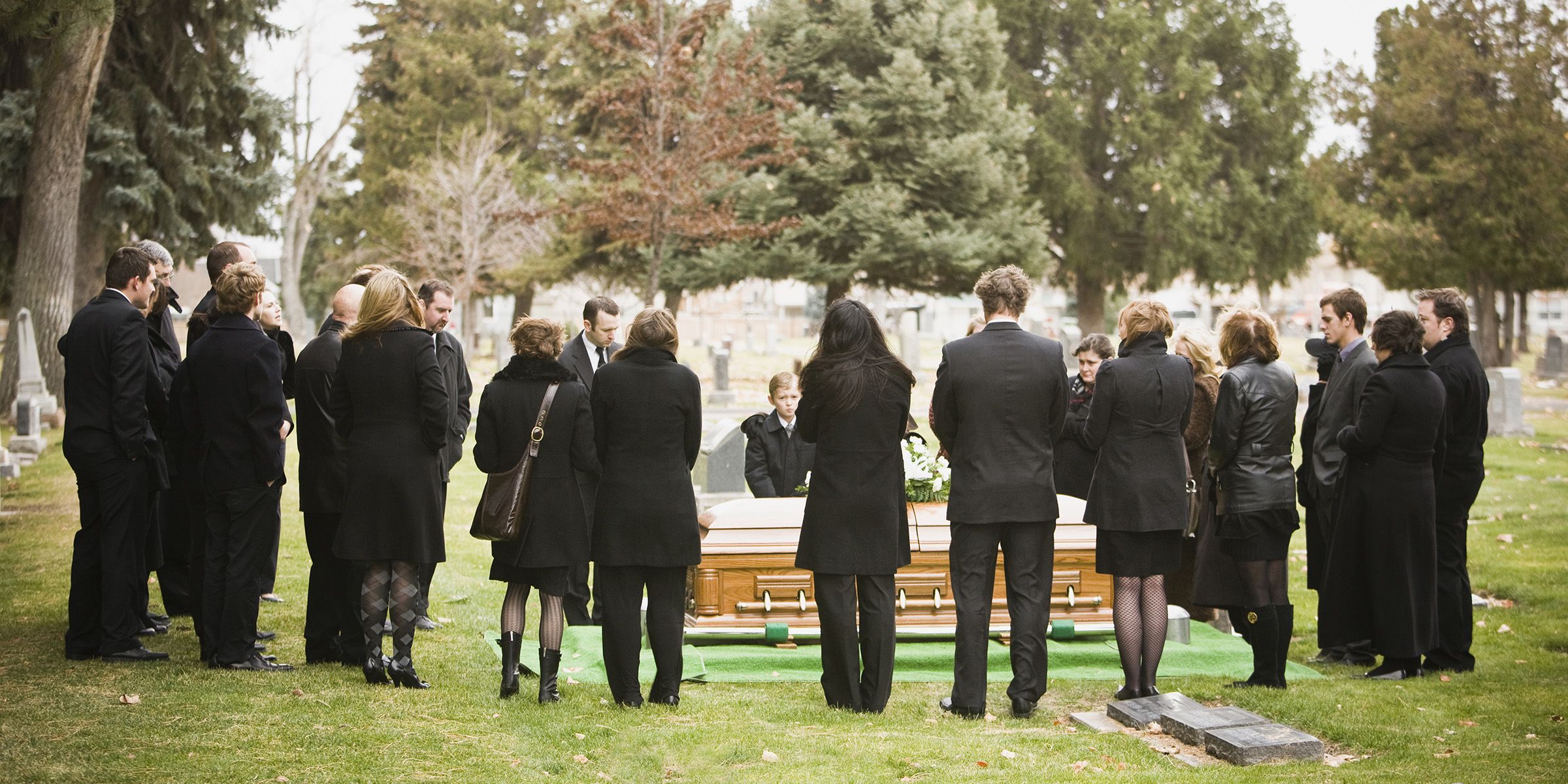
Funerals are deeply personal and culturally significant events, marking the end of a person’s life and providing an opportunity for loved ones to say goodbye. While they are often associated with sorrow, funerals also serve as a way to honor and celebrate the life of the deceased, allowing family and friends to gather in a meaningful way during a challenging time. This article explores the significance of funerals, the various customs and practices surrounding them, and their role in the grieving process.
The Purpose of a Funeral
At its core, a funeral is a ritualized event that acknowledges and commemorates the passing of an individual. It serves several important purposes:
-
Closure: Funerals provide an opportunity for family and friends to come together and acknowledge the death. This shared experience helps people process their emotions and begin to come to terms with the loss.
-
Honor and Respect: Funerals are a way to honor the deceased, reflect on their life, and show respect for the individual who has passed. They can serve as a tribute to the person's legacy and contributions to their community, family, and society.
-
Grief Support: Funerals provide a supportive environment for those grieving the loss. Being surrounded by friends and family can offer comfort, and the ceremony itself can be a source of healing as individuals express their sorrow together.
-
Spiritual Significance: In many cultures, funerals are tied to religious or spiritual beliefs about the afterlife. These rites may include prayers, rituals, or other sacred practices intended to guide the deceased's spirit on its journey or to ensure their peace in the afterlife.
Customs and Traditions
Funeral customs vary significantly across different cultures and religions. These rituals offer structure and comfort to the mourners, creating a sense of order and meaning during a time of emotional upheaval. Below are some of the common customs practiced around the world:
-
Western Funerals: In many Western cultures, funerals typically involve a wake or visitation, a funeral service, and a burial or cremation. The wake provides an opportunity for mourners to view the body, pay their respects, and share memories. The funeral service usually includes readings, eulogies, and prayers. The burial or cremation marks the final disposition of the deceased’s body.
-
Religious 醫院直接出殯 s: Many religious traditions include specific rituals for honoring the dead. For instance, in Christianity, funerals often feature hymns, Bible readings, and the recitation of prayers like the Lord's Prayer. In Hinduism, the body may be cremated, and family members perform rites to help the soul achieve moksha (liberation). In Islam, a funeral service may include specific prayers, known as Salat al-Janazah, and the body is buried quickly, often within 24 hours of death.
-
Cultural Variations: In some cultures, like in Mexico during the Day of the Dead (Día de los Muertos), the deceased are honored with colorful altars, food, music, and dance. In some African and Caribbean cultures, funerals can be grand celebrations of life, involving feasts, music, and community participation.
Modern Trends in Funerals
While traditional funeral practices continue to be prevalent, modern trends are shifting the way we approach funerals. Here are a few of the more contemporary funeral options:
-
Cremation: Cremation has grown in popularity as an alternative to traditional burial. It is often seen as more cost-effective and environmentally friendly, and it offers greater flexibility for families who may want to keep the ashes in a memorial location or scatter them in a meaningful place.
-
Personalization: Many families now choose to personalize funerals, reflecting the unique personality and interests of the deceased. This can include incorporating favorite music, hobbies, or even themed decor. Personalized eulogies or speeches, reflecting the life of the person in a more individualized way, are also common.
-
Green Funerals: Eco-conscious individuals are opting for "green" funerals, which focus on environmentally friendly practices. These may include biodegradable caskets, natural burials in conservation areas, or cremation without the use of chemicals.
-
Live Streaming: With the rise of digital technology, many funerals are now live-streamed to accommodate mourners who cannot attend in person. This can be particularly helpful for people who are geographically distant or unable to travel due to health or other reasons.
The Role of the Funeral Director
Funeral directors play an essential role in guiding families through the logistics and emotional complexities of organizing a funeral. They assist with the preparation and transportation of the body, help navigate legal and administrative requirements (such as obtaining death certificates), and provide support during the grieving process.
Funeral directors also help arrange for the service itself, coordinating with clergy, officiants, or celebrants, and ensuring that all cultural or religious customs are respected. Their role is not only technical but also deeply compassionate, offering guidance and empathy during one of life’s most difficult moments.
Grief and Healing
While funerals can be an emotionally taxing event, they also serve as an important step in the grieving process. A funeral allows individuals to express their sorrow, celebrate the deceased's life, and find support from others. Grieving is a deeply personal journey, and funerals, while not a cure, provide a space to begin healing.
The process of mourning doesn’t end at the funeral service. It continues in the days, weeks, and months that follow as individuals navigate life without their loved one. In many cultures, there are mourning periods that encourage people to continue reflecting on their loss and remembering the deceased with love and respect.
Conclusion
Funerals, while often associated with sadness, are ultimately about honoring life and creating an opportunity for healing. They reflect the values of the family and culture, and serve as a final tribute to the person who has passed. Whether traditional or modern, funeral practices are an essential part of the human experience, offering a sense of closure, respect, and community in the face of loss.